
Cultural story
Songs beside the millet mortar
At Zhuole in 2025, a meeting between Bunun and Māori young people began with preparing food. Hospitality became a chance for both sides to recognise knowledge carried by hands, voices and family relationships.
The visitors joined the work of pounding and cooking millet.
Bunun and Māori songs met in an exchange organised by local hosts.
The surrounding roads and memorials also carry community history.
An invitation to work together
In February 2025, Māori students visiting Zhuole joined millet pounding and food preparation arranged by local hosts. As the pestles moved, the visitors began singing Māori songs. The gathering did not require one side to become a silent audience: the guests could answer with practices they carried from home.
Takbanuaz Bunun Cultural Association chair Chang Wei-chung described a programme of welcoming, preparing pork, pounding millet and cooking it. Visitor Sterling Maxwell valued being received on the hosts’ land and seeing the occasion through their perspective. The sequence belonged to a particular invitation and relationship, rather than a performance available whenever someone arrived.
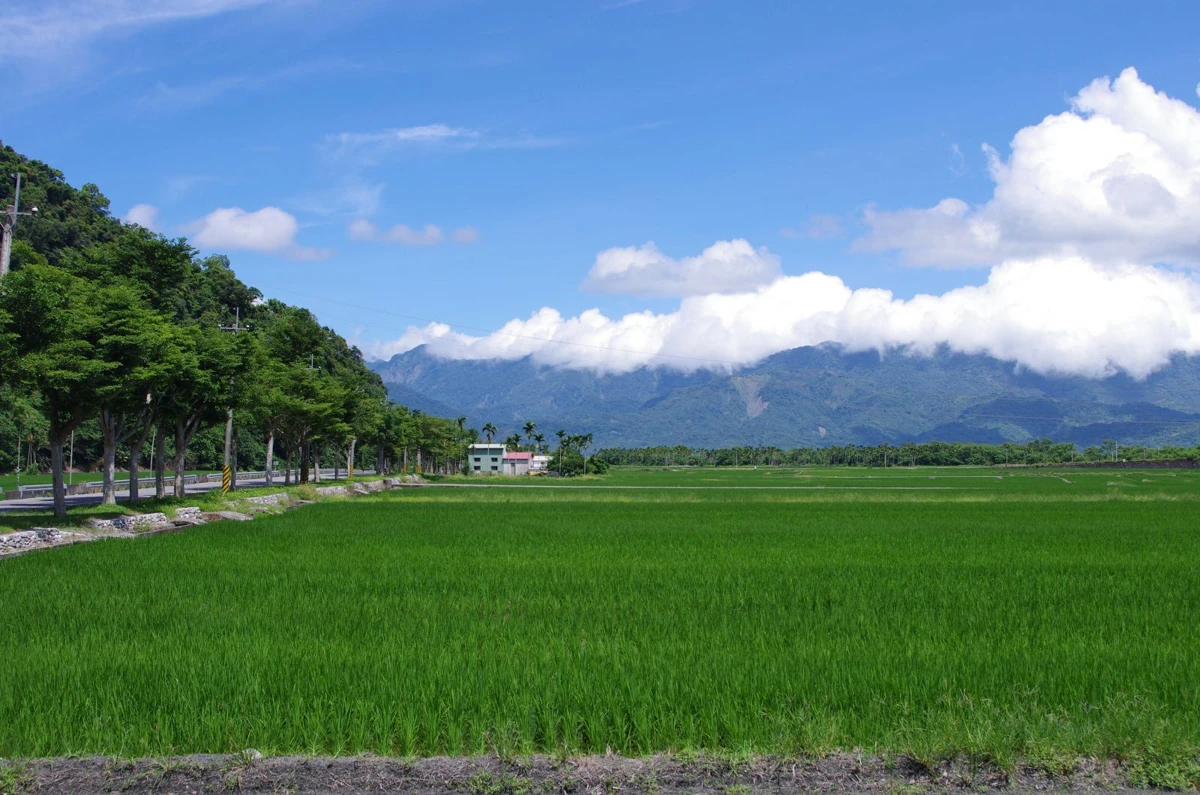
The approach to Zhuole passes rice fields before reaching the church and old camphor trees. Cultivation remains part of the community’s visible daily setting. Millet prepared for the visitors belongs to a more specific exchange of food knowledge: hosts decide what to share, and guests join the work rather than simply being served a finished dish.
What travels home with a visitor
The six-week university exchange reached several Indigenous communities across Taiwan. For Otago postgraduate student Maioha Watson, one recurring observation was how language joined elders and children. The experience deepened his thinking about te reo Māori and wellbeing, the focus of his research at home.
At Zhuole, young Bunun participants shared songs and accounts of achievement while also watching their guests’ haka. These were exchanges between people with their own repertoires. Similarities opened a conversation; differences gave each side something to explain, ask about and carry into another meeting.
Another form of sharing takes place in Zhuole's school fields. In 2025, the Bunun Dou-dou group worked with three Zhuoxi schools, each with two elders and a younger partner. At Zhuole, Tanabas, Pan Chu-chu, Maia, Kao Chun-mei, and Valis, Chen Mei-ling, guided children's study of rice-field landscapes. Their models grew from observing a familiar place with people who knew how it was tended.
The village beside the mountain road

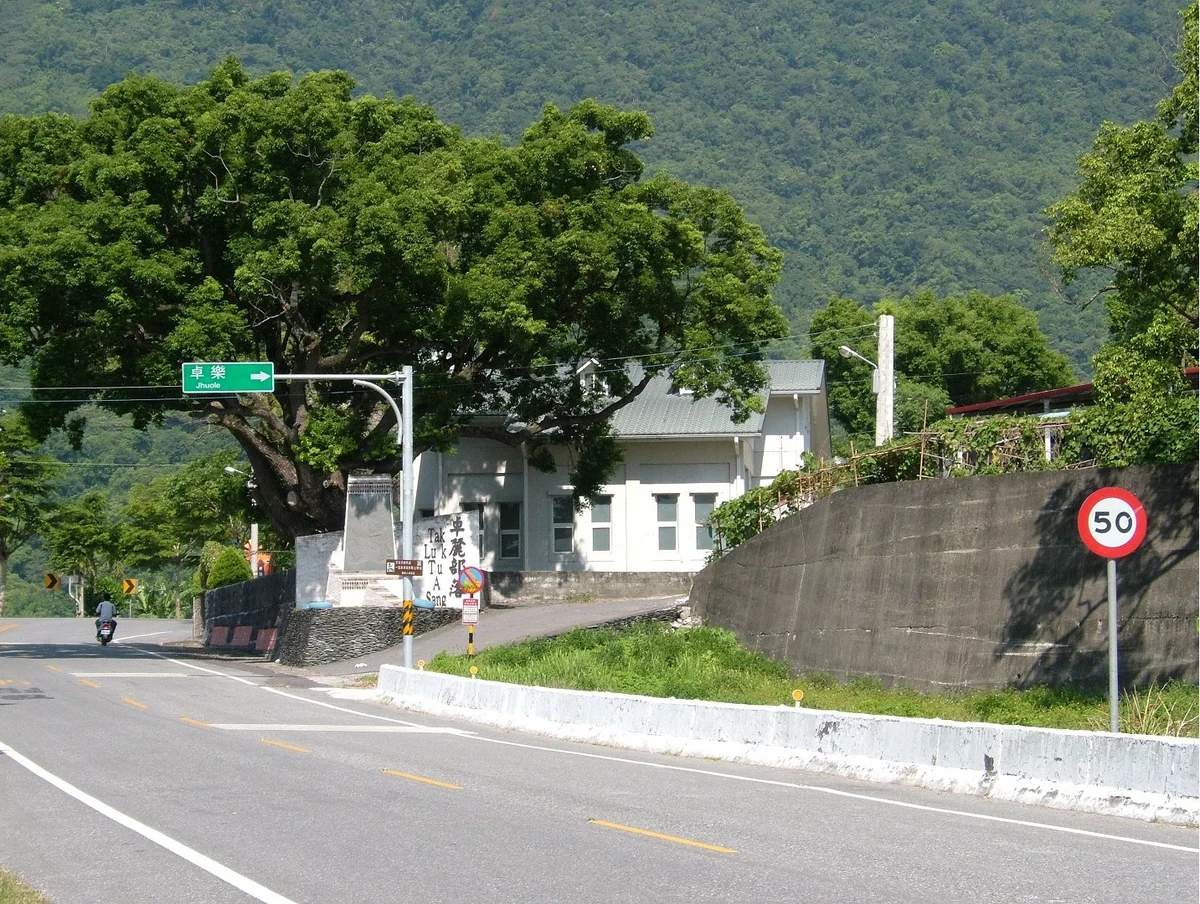
Zhuole stands beside Provincial Highway 30 on the way to Nan’an and the eastern approaches to Yushan. Old camphor trees mark the church, the settlement entrance and the health station. They help give an arrival its local bearings: people meet among homes, places of worship and shared facilities, rather than in a detached visitor compound.
The memorial near the police station recalls Bunun people killed under Japanese rule; another monument behind the school commemorates people who died constructing the Batongguan road. Walking with a local guide makes room for these different memories. Receiving visitors can include food and song, but also the work of explaining why the same road means different things to different families.
Students described beans and Indigofera on field banks, whose branches extend over soil channels and shelter small fish, alongside tall grain crops and flowering plants. Their account connects food production with the small habitats around a paddy. The work was shared at a late-2025 school gathering, reported in March 2026. It offers questions for a hosted walk, not permission to enter planted fields or join a school lesson.
Look closer
Notice who leads a shared task and how guests are invited to join.
Ask a local guide to explain the different memorials along the road.
Visiting information
- Community
- Zhuole, Zhuoqing Village, Zhuoxi Township, Hualien, beside Highway 30. Arrange community activities with the receiving organisation before travelling.
- Public starting point
- Nearby Nan’an Visitor Centre: No. 83-3 Zhuoqing Village; 03-8887560; 09:00–17:00. Closed Lunar New Year’s Eve and the second Tuesday monthly, shifted one day when it falls on a public holiday. Exhibits introduce local Bunun culture and the park.
- Travel and return
- Travel from Yuli railway station along Highway 30 by taxi or an arranged vehicle. Book the return pickup before leaving Yuli; the visitor centre is about 10 kilometres from the station.