
Cultural place
Beipu Old Street: looking beyond the shopfront
Follow a temple square, old houses and a photographer’s changing attention through a living Hakka town.
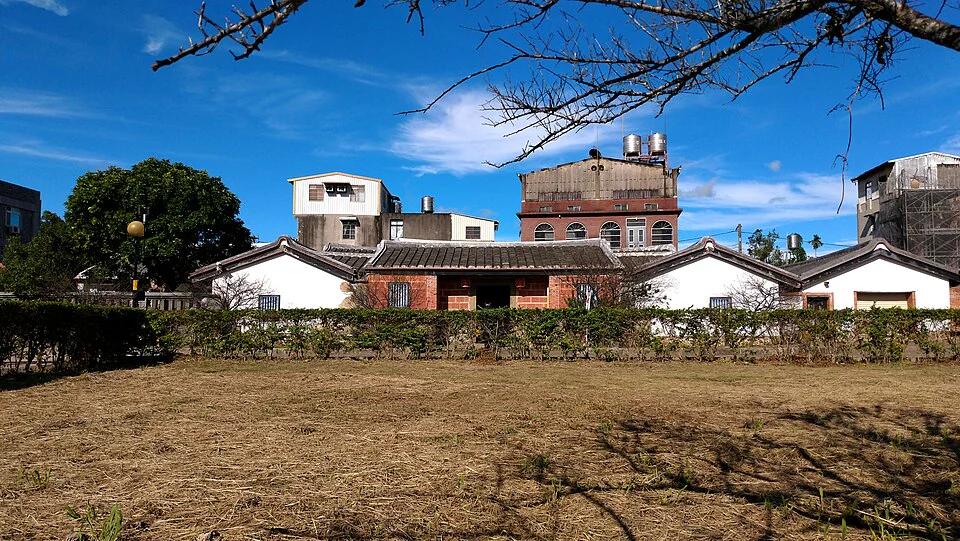
Start with Cih Tian Temple, then compare nearby house fronts and the image museum.
Keep time for one interior visit and a meal, rather than counting every building.
A square where the town meets
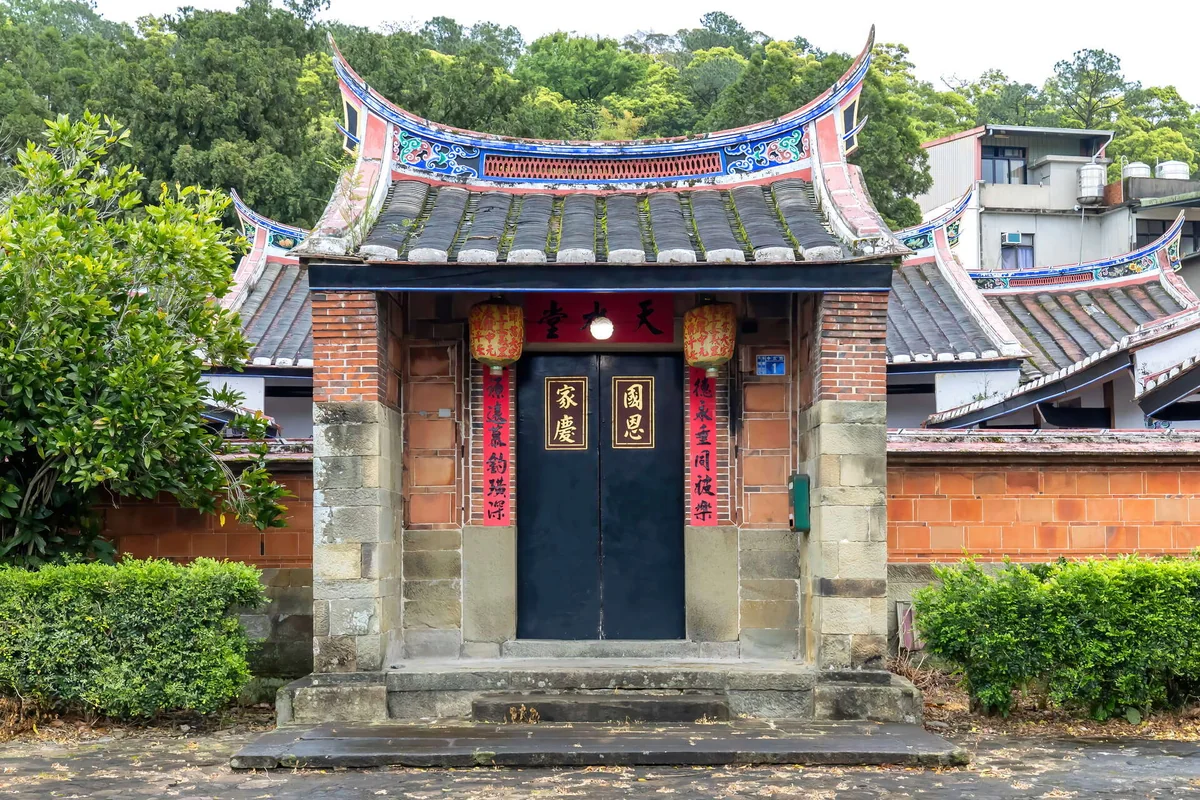
A temple square gives Beipu’s streets a place to gather. Shops, food stalls and the entrance to Cih Tian Temple share a small area, while old houses lie only a few turns away. Begin by noticing how people cross this space: stopping to worship, buying something, or continuing into an alley. The square makes the relationship between public life and buildings visible before any date on a plaque does.
Jin Guang Fu Hall offers another way to read the town. Its name records a partnership in land development: “Guang” referred to Cantonese Hakka participants and “Fu” to Fujianese merchants who supplied capital. A business and administrative base stood close to the place of worship. Looking at both helps connect settlement, money and community organisation, rather than treating the old buildings as isolated ornaments.
A photographer returns home
Deng Nan-guang had photographed Tokyo before turning his camera towards farming and temple festivals in Beipu. While studying in Japan in the 1930s, he used a compact Leica to photograph street life. Back in Taiwan, familiar places became subjects worth looking at again. The important connection is a way of seeing: ordinary work and gatherings could carry a town’s history as clearly as a grand building.
His later use of a tiny Minox extended that attention to people in the street. A 2017 retrospective brought different periods of his work together, giving a useful perspective for a present-day visit. At the image museum, follow the dates and locations attached to photographs. A doorway or gathering place may remain recognisable even when the work, clothing and traffic around it have changed.
Read the street at two distances
After a gallery visit, return to the street and change the scale of your attention. From a distance, compare a courtyard house, a temple and Jiang A-hsin’s Western-style residence. Up close, look at a window, the depth of an entrance or a shop’s work surface. These details show different uses of space without requiring every house to tell the same story.
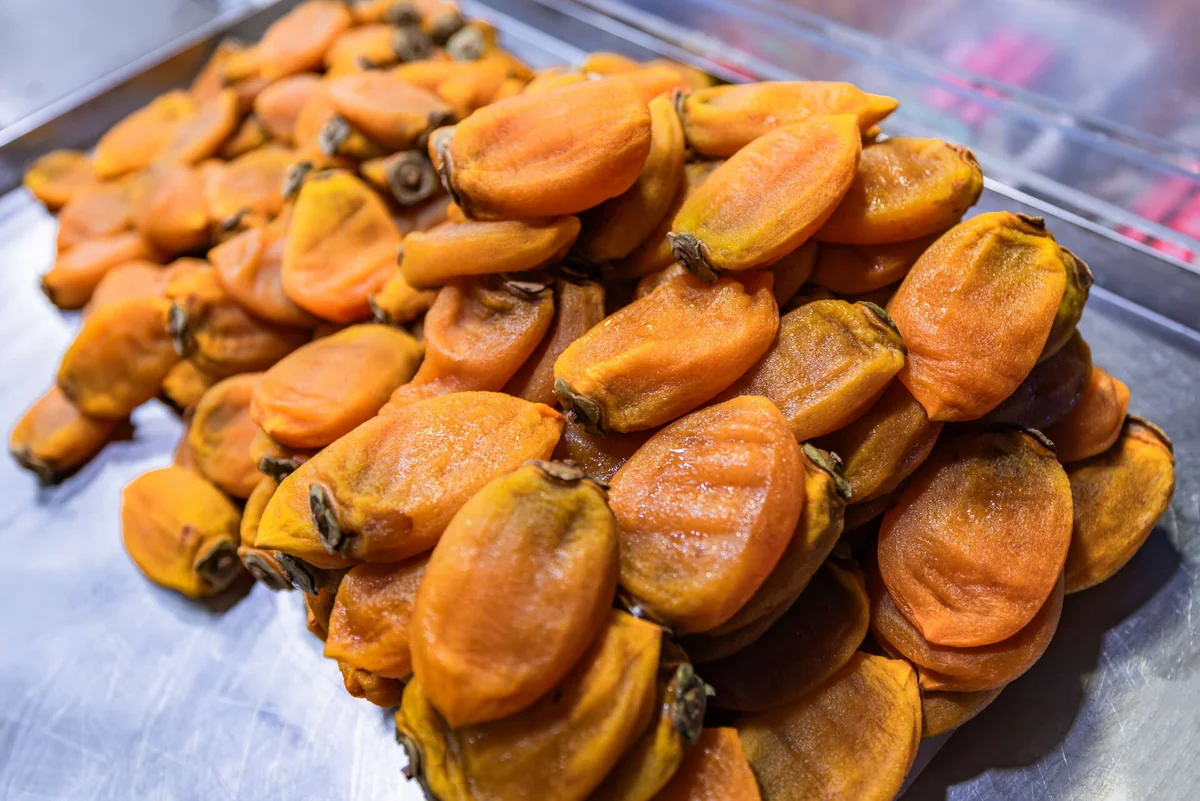
Food gives this walk another pace. Beipu’s shops offer rice-based foods, tea and preserved ingredients, bringing agricultural products into the visitor’s day. Choose one item and ask how it is made or served. The answer may be brief, but it connects a purchase with work. That is a useful way to carry the photographer’s attention into the present: leave room for what people are doing now.
Objects return, and memories gain detail
Scattered objects also helped rebuild the story of Chiang A-hsin’s residence. In a 2023 interview published through the Ministry of Culture’s Museum Island, descendant Liao Hui-ching described a former employee returning a Daping tea-factory photograph kept for half a century after hearing that the family had bought back the house. Her father had received support to learn tea making; the image connected factory architecture with a tea worker’s family history. A professor also returned an old green Yongguang tea tin, providing a reference for a later reproduction. Photograph, original tin and replicated product are distinct objects, not one unchanged survival. They show how industrial memories continued to be assembled after building restoration. Read provenance and dates beside the architecture if visiting displays; this 2023 account neither guarantees the originals are exhibited today nor makes television characters direct historical counterparts.
Look closer
Compare a historic view with a named location; observe the temple square and entrances without blocking circulation.
Visiting information
- Arrival
- Take Taiwan Tourist Shuttle 5700 to Beipu Old Street from HSR Hsinchu or TRA Zhubei; save the return departure before starting.
- Visit scope
- Begin at Beipu Street and the Cih Tian Temple square. Public streets and individual interiors have different access arrangements. Book a guided interior visit where required.
Film & image information
Source footage was published in2019 and2018; filming dates are unverified. Public streets, old-house exteriors and shops are a tourism edit, not continuous navigation or a present opening guarantee. No AI-generated images/video or narration; music is an existing generated instrumental.