
Cultural story
Leshui prepares to meet its ancestors
An ancestral ceremony begins long before people gather. In Leshui, the work of elders, hosts and young learners connects a public celebration with the obligations of everyday Atayal life.
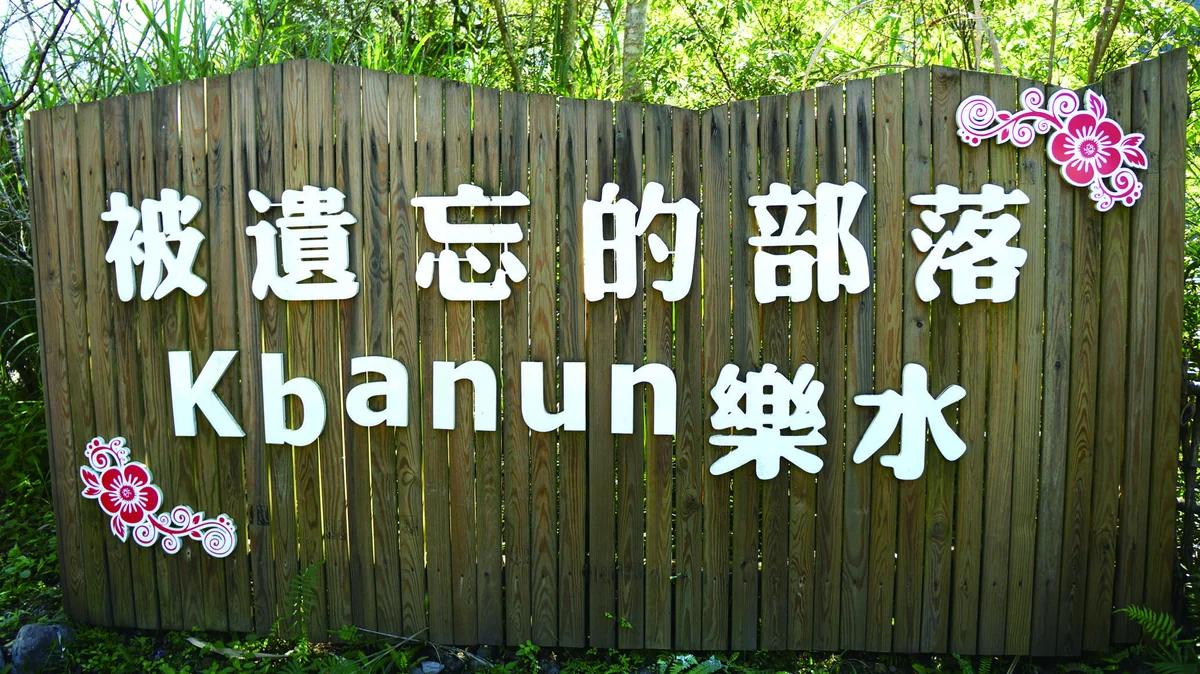
Gaga connects inherited teaching with shared responsibilities.
Leshui’s 2013 programme combined ritual, food and cultural learning.
A carved bamboo cup provides another way into material knowledge.
The gathering starts with preparation
In November 2013, Leshui announced an ancestral ceremony for 7 December. Community leader Jian Lian-yi would lead the rite, with the deputy leader and elders assisting. Community association chair Li Wen-jie described residents preparing to receive their returning neighbours and visitors. Behind the date stood people who knew how to arrange the ceremony and people learning to take part.
The programme also included shared food, local art, ecological interpretation and craft activities, under elders’ guidance. These were different kinds of work within one gathering: conducting a rite, feeding people, explaining a landscape and teaching a skill. Young people learned by taking on these tasks alongside experienced community members.
A rule lives through the people who share it

Gaga is central to Atayal life. It includes ancestral teachings and obligations maintained through relationships, rather than a single ceremony that can be detached from the rest of the year. Ritual groups follow their inherited practices. Understanding who acts together matters as much as identifying an object on a ceremonial table.
Cultivation makes that connection visible. In one sowing tradition, the officiant names a skilled millet grower, or the person who taught the planting practice, while placing seed in the ground. Agricultural knowledge is remembered through a person’s name. The act brings teaching, a hoped-for harvest and obligations to earlier generations into the same moment.
A family in Sqoyaw, or Huanshan, offers a different, specific account of learning. Director Sayun Simung began filming her grandfather, but he died little more than a month into the work. She turned to her grandmother and eventually completed a ten-year project. Her relatives, too, sometimes had to learn how to conduct rites after losing the elder who had guided them.
Learning can continue outside the ceremony
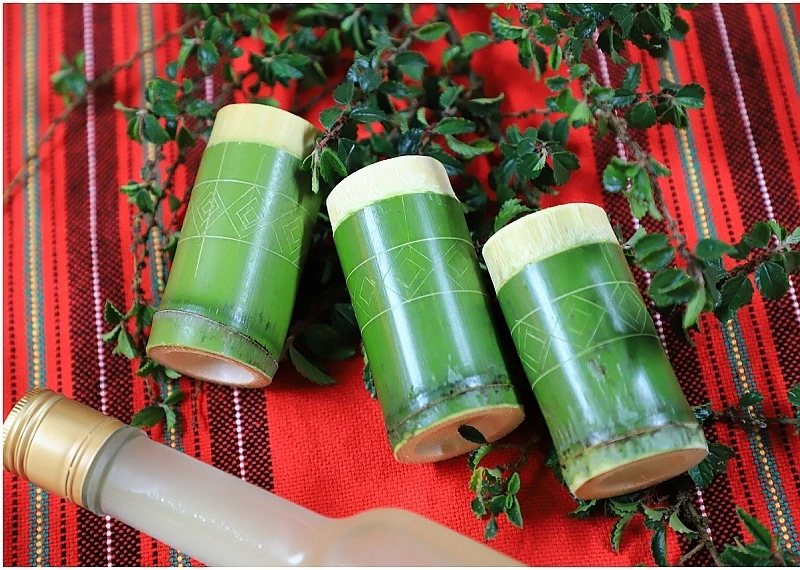
A later visitor account from Leshui follows a small activity rather than a large ceremony: cutting bamboo and carving a cup. Choosing the material, removing its outer skin and working the pattern required attention to the tool in the hand. Such a hosted workshop gives a visitor time to ask how an object is made and what its maker wants to explain.
The Wulai Atayal Museum offers a different starting point through displays and guided explanations of cultivation, hunting, weaving and houses. Leshui and Wulai have their own local histories. Reading them alongside one another can reveal how ritual sits within a wider material life while keeping the places and speakers distinct.
In her family's fire room, people talked, prepared game, discussed matters and slept. Sayun also had to practise speaking full Atayal passages for the film, despite growing up with its sounds. The room and the voice-over make learning tangible. They describe this family's experience; a publicly shared film does not make its private home a visitor attraction.
Look closer
In the account of Leshui’s 2013 gathering, notice who prepared, explained and shared, as well as who led the rite.
Compare a tool’s material with the work it is made to do.
Visiting information
- Public museum
- Wulai Atayal Museum, No. 12, Wulai Street, Wulai District, New Taipei City.
- Hours and admission
- Weekdays 09:30–17:00; weekends 09:30–18:00; free admission. Closed the first Monday of each month, Lunar New Year’s Eve and day one, and election days.
- Guided visit
- Scheduled tours begin at 10:00 and 14:00. Register at the first-floor service desk before the tour.
- Travel and return
- Take bus 849 from MRT Xindian station to Wulai and walk into Wulai Street. Return to the Wulai bus stop for the journey back to Xindian.