
Cultural story
Returning to the circle: work, friendship and the Amis harvest
A harvest gathering draws people home, but the circle is held together by more than music. Invitations, age groups and the work of younger members give the occasion its shape.
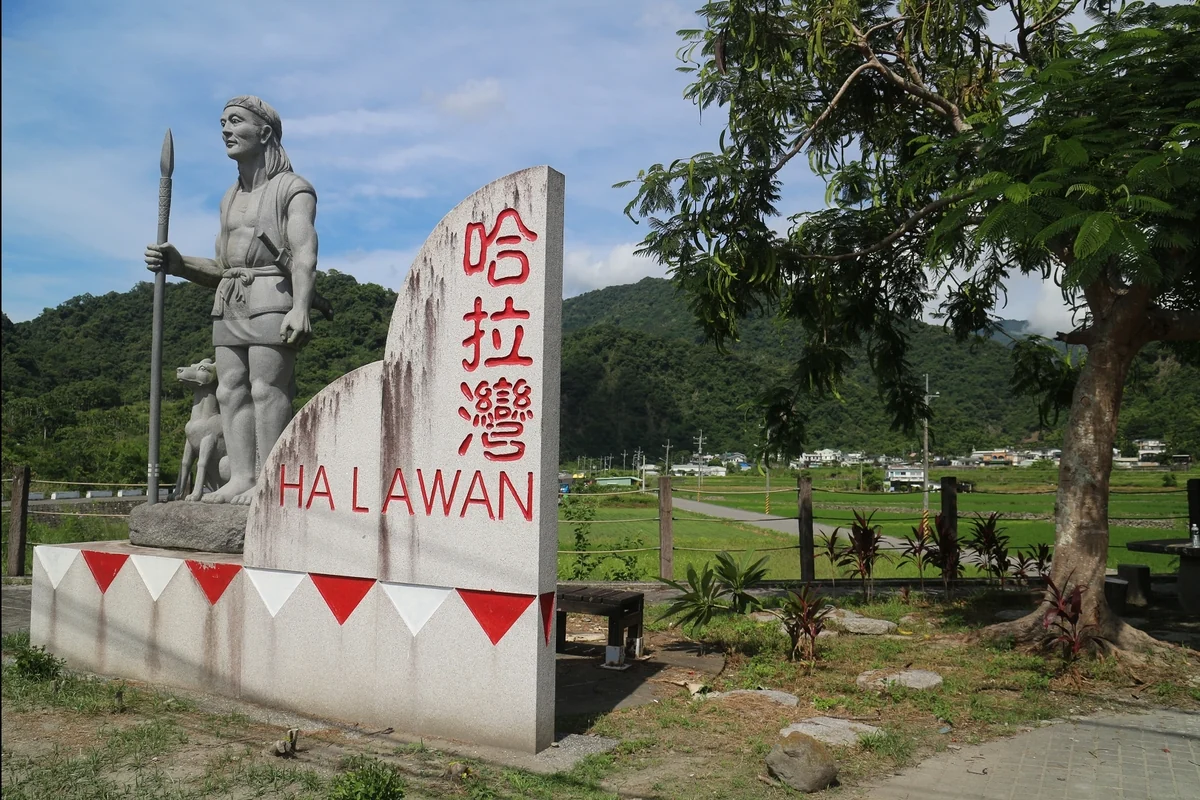
An invitation brought Māori youth to Harawan in 2018.
In Dulan, age groups join shared work with lasting friendships.
At Duli, a public centre explains houses and instruments.
A connection begins with an invitation
In August 2018, ten young people from the Ngāti Manu community of Aotearoa New Zealand travelled to Taiwan. Their itinerary included Harawan, also known as Lehe, in Yuli. Before heading east, they visited the Council of Indigenous Peoples and offered a kapa haka performance. Hosts and guests met through their own forms of greeting.
The journey connected two living communities rather than two sets of costumes. Harawan was a named host with people to welcome the visitors; the Māori youth brought a practice they had learned at home. The invitation matters because a place in a gathering is made through relationships, preparation and the agreement of those receiving the guests.
The people who keep the gathering running
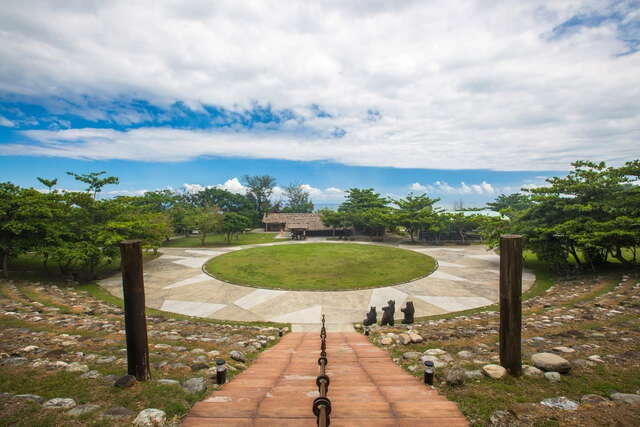
Suming Rupi describes Dulan’s kapot, or age-group organisation, through the work assigned to each cohort. Younger boys who have not yet entered a cohort serve elders and help put the grounds in order. The music heard by a visitor rests on practical tasks: someone clears the space, brings things where they are needed and learns whom to assist.
Cohorts are also groups of people who grow older together. Suming recalls members of his own group working in different places and meeting again at the harvest gathering. A visitor’s 2011 account from Dulan records cohort names such as La Zhongqiao and La Qianxi. Names hold a period of local memory, while repeated work keeps the relationships active after members leave home.
Fakong, or Maogong, describes a more specific division of work. Its mama no kapah, the middle-ranking 'fathers of the youth', carry out tasks assigned by elders and direct younger members. At Paherekan, the closing rite, participants form age-group lines, slow their rhythm and finish with bows to guests and elders. These are Fakong's arrangements, not a uniform programme for all Amis communities.
A house offers another way to listen
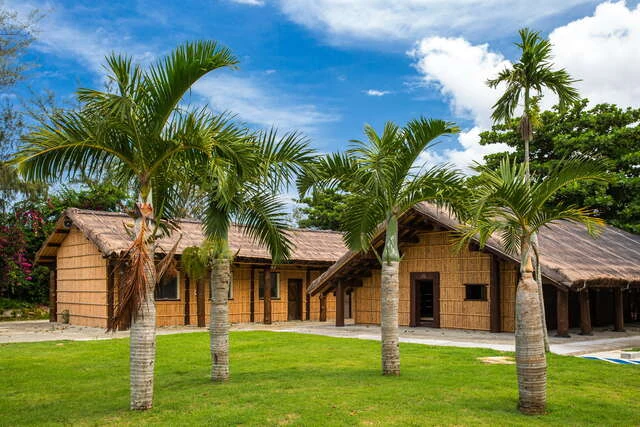
The Amis Folk Center at Duli was completed in 1995. Its reconstructed house and ritual house draw on Chijiiwa Suketarō’s 1943 survey drawings of a priest’s home at Taibalang. The building is therefore a visible link between an earlier field record and a later public interpretation of Amis domestic space.
Here, the Amis Kakeng ensemble introduces instruments and offers performances and workshops. A visitor can examine the relation between bamboo, sound and the hands that make an instrument, then return to the building to consider how people gathered inside it. This is an organised public encounter with cultural knowledge; a community’s harvest rite has its own hosts, sequence and invitations.
Fakong's opening Malitapod rite takes place inside the meeting house. Before the first song, the lead singer names deceased former chiefs in order. The community specifies participation by its male age groups and excludes outsiders and women, including photography and filming. Its statement that both sexes join the closing rite does not create automatic access for outsiders. Public cultural performances elsewhere have a different purpose.
Look closer
In the accounts of Dulan’s gathering, notice the tasks that younger members carried between songs.
Read the reconstructed house together with its Taibalang origin.
Visiting information
- Public visitor centre
- Amis Folk Center, No. 25, Xincun Road, Chenggong Township, Taitung County.
- Opening hours
- Monday, Tuesday and Thursday–Saturday 09:00–17:00; Sunday 13:30–17:00; closed Wednesdays.
- Performance and workshops
- Performances at 11:00 and 14:00 on full opening days; Sunday 14:00 and 15:30, with at least ten visitors. Regular shows accept voluntary donations. Book workshops at least three days ahead: 089-841751.
- Travel and return
- From Taitung railway station, take an East Coast bus serving the East Coast Scenic Area Administration stop, including routes 8101 or 8103. Walk to the centre and use the opposite-direction stop for the return.